US Visas For Indian Citizens: Tips to Boost Approval Chances
Wiki Article
Opening Opportunities: Crucial Information on US Visas for Indian Citizens
Maneuvering the complexities of US visa choices is crucial for Indian citizens aiming to explore possibilities in the US. With different categories ranging from short-term visitor visas to paths for irreversible residency, understanding the subtleties of each can significantly affect one's journey. This conversation will certainly highlight crucial information, consisting of application procedures and qualification criteria, that can empower individuals in their pursuit of brand-new experiences. As we unpack these vital elements, the inquiry emerges: what techniques can one employ to boost their opportunities of a successful application?Summary of US Visa Kind
When passing through the complicated landscape of US immigration, comprehending the various sorts of visas readily available is important for Indian people seeking entrance right into the US (US Visas For Indian Citizens). The US migration system is mostly classified into 2 wide categories: immigrant visas and non-immigrant visasImmigrant visas are designated for those intending to live permanently in the US. These consist of family-sponsored and employment-based visas, where candidates typically need an enroller. Non-immigrant visas, on the various other hand, cater to people looking for short-lived residence, such as travelers, business visitors, and those traveling for details objectives like job or research.
Within the non-immigrant classification, several visa types exist, including B-1/ B-2 for service and tourism, H-1B for specialized occupations, L-1 for intra-company transferees, and O-1 for people with amazing capabilities. Each visa has distinct qualification needs and application procedures, demanding comprehensive research study to figure out the proper group.
Recognizing these categories is necessary for Indian citizens, as it enables them to browse the application process much more effectively, ensuring they pick the proper visa type to meet their particular needs and goals. US Visas For Indian Citizens.
Student Visa Options
For Indian residents striving to research in the US, student visas present an important pathway to pursue academic opportunities. The primary visa categories for students are the F-1 and M-1 visas.The F-1 visa is assigned for scholastic trainees enlisted in a permanent program at an accredited institution, such as universities and universities. This visa permits trainees to engage in on-campus work and, under particular problems, join optional functional training (OPT) after finishing their level, giving beneficial job experience in their field.
On the other hand, the M-1 visa is meant for vocational or non-academic programs. It deals with pupils seeking technical or trade training, permitting them to enlist in non-degree programs. M-1 visa holders may join sensible training, but it is usually much more limited compared to the F-1 classification.
To get a trainee visa, candidates must secure admission to an U.S. institution, get a Form I-20, and show monetary ability to support their education and living expenses. Comprehending these visa alternatives is significant for Indian people intending to start their academic trip in the US.
Visa Categories
Numerous Indian citizens looking for employment possibility in the US may consider numerous classifications customized to different expert requirements and credentials. The most famous is the H-1B visa, designed for proficient workers in specialized line of work requiring a college level or its equivalent. It permits US companies to temporarily utilize foreign workers, with a cap on the variety of visas provided each year.Another crucial category is the L-1 visa, which assists in the transfer of employees within multinational business. The L-1A visa is for supervisors and execs, while the L-1B visa is for workers with specialized understanding.
The O-1 visa deals with individuals with remarkable capacities in their area, including science, arts, or organization. For farming or seasonal job, the H-2A and H-2B visas are readily available, allowing companies to hire international employees for short-lived placements.
Family-Based Immigration
Family-based migration offers a pathway for US residents and legal permanent residents to rejoin with their loved ones from India. This immigration classification is fundamental for maintaining domestic bonds and assisting in the combination of member of the family right into USn society. US residents can petition for immediate relatives, including spouses, kids, and moms and dads, without encountering yearly limitations on visas. This expedited process considerably decreases waiting times for these close family links.On the other hand, legal irreversible homeowners might fund partners and unmarried children, but they undergo yearly caps, causing longer wait times. The family-sponsored migration system is split into two primary classifications: immediate relatives and family preference classifications. The previous includes those that have a straight connection with an U.S. person, while the last includes more distant relatives, such as siblings and wedded kids of people, and kids of legal irreversible homeowners.
For Indian people looking for family-based immigration, comprehending the nuances of this system is important. Appropriate documentation and adherence to application methods are crucial for effective sponsorship. By navigating through these intricacies, households can function towards reuniting and constructing their lives with each other in the US.
Long-term Residency Process
The process of obtaining irreversible residency in the US includes several essential visa classifications customized for Indian people. Comprehending the application actions, consisting of essential documentation and qualification standards, is essential for an effective outcome. In addition, possible applicants should recognize the expected timeline and particular demands associated with each classification.Visa Categories Review
While passing through the complexities of the US migration system, Indian people seeking long-term residency should acquaint themselves with various visa categories tailored to different situations. The main pathway for long-term residency is through employment-based visas, which are categorized into a number of choices, including EB-1 for individuals with remarkable capabilities, EB-2 for experts holding postgraduate degrees, and EB-3 for proficient employees. Each group has details eligibility demands and processing times.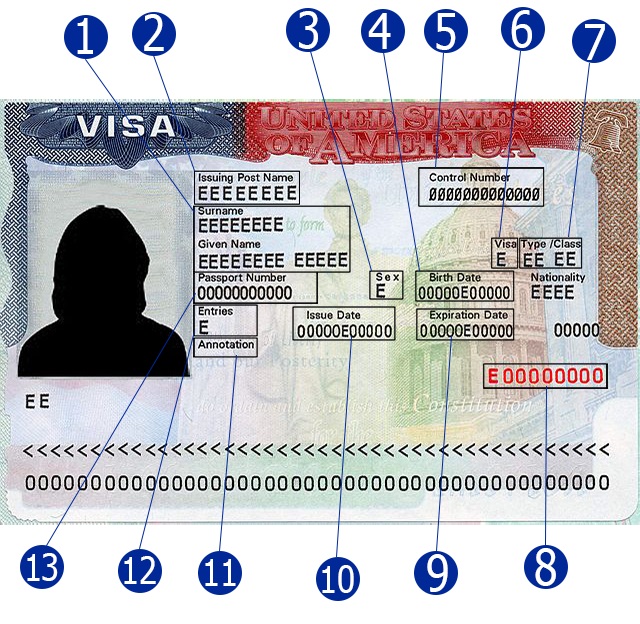
Diversity here visas, although restricted in number, provide a possibility for individuals from underrepresented nations to look for permanent residency through a lottery system. Additionally, humanitarian choices such as asylum and evacuee condition offer paths for those facing oppression.
Comprehending these visa classifications is necessary for Indian people, as they considerably influence the approach for obtaining irreversible residency in the US. Each classification's subtleties and needs demand cautious consideration to align with private conditions and objectives.
Application Process Steps
Guiding the application procedure for irreversible residency in the US includes numerous essential actions that have to be carefully complied with to ensure an effective result. The journey typically starts with identifying the appropriate migration group, such as employment-based or family-sponsored visas. Candidates must gather crucial paperwork, consisting of proof of eligibility, monetary declarations, and personal recognition.As soon as the category is identified, the following action is to file the Type I-130 (Petition for Alien Loved One) or Form I-140 (Immigrant Request for Alien Employee), relying on the basis of the application. Complying with the approval of the petition, applicants will need to complete the National Visa Facility (NVC) handling by sending the called for charges and kinds.
Next off, the candidate needs to undertake a medical exam and acquire police clearance certifications. When these are completed, a meeting will be scheduled at the US consulate or embassy. It is essential to prepare thoroughly for this interview, as it can significantly affect the choice on the application. Upon authorization, the candidate will obtain their visa, approving them long-term residency in the United States.
Timeline and Needs
Charting the timeline and requirements for getting irreversible residency in the US is vital for Indian residents seeking to establish a long-lasting presence. The process mostly copyrights on employment-based or family-sponsored pathways, each with certain prerequisites and timelines.For employment-based migration, the procedure commonly starts with a labor qualification, which can take a number of months. As soon as approved, the company files a Type I-140, Immigrant Application for Alien Employee, which can take an extra six months to a year, depending on the handling. Complying with I-140 authorization, applicants might require to await their concern date to come to be existing, which can differ considerably based upon the candidate's classification and native land.
For family-sponsored immigration, US citizens can seek for prompt family members, which typically causes faster processing. Nevertheless, other family members categories may entail much longer wait times because of yearly caps.
Application Treatments
Recognizing the application procedures for US visas is essential for Indian residents looking for entry into the US. US Visas For Indian Citizens. This area will certainly supply an overview of various visa categories and describe the detailed process for using. By complying with these guidelines, applicants can navigate the intricacies of the visa successfullyVisa Categories Introduction
Navigating the various visa groups offered to Indian people can be an intricate procedure, but it is vital for those seeking to take a trip, function, or research study in the US. The US visa system is classified primarily into non-immigrant and immigrant visas, each serving unique functions.Non-immigrant visas, such as B-1/ B-2 for service and tourist, F-1 for academic study, and H-1B for specialized work, allow temporary remains. Applicants have to show their intent to return to India after their browse through.
On the other hand, immigrant visas, including family-sponsored and employment-based groups, give a path to irreversible residency. These visas frequently need sponsorship from a family member or employer in the US, together with a strenuous application procedure.

Step-by-Step Process
Usually, the application process for US visas includes several critical steps that candidates should carefully comply with to guarantee a smooth experience. The primary step is to figure out the appropriate visa classification based on the purpose of traveling, such as job, study, or tourism. Once the category is recognized, applicants need to complete the online DS-160 form, providing precise personal information and travel details.After submitting the DS-160, candidates must pay the visa cost, which differs by visa kind. Next off, schedule an appointment for a visa interview at the local US Embassy or Consulate. Types Of US Visas. It is essential to get ready for the interview by event required papers, consisting of a valid visa, visa verification, cost payment invoice, and any type of sustaining documents particular to the visa group
On the day of the meeting, get here punctually and outfit suitably. During the meeting, be prepared to answer concerns regarding your traveling purposes, monetary security, and connections to India. If accepted, the visa will certainly be marked in the visa, permitting for travel to the United States. Adhering to these steps ensures an efficient and effective application process for Indian people.
Tips for a Successful Application
Guarantee that all kinds are finished accurately and truthfully. Small errors or noninclusions can lead to hold-ups or perhaps rejections. It is a good idea to collect all needed sustaining documents, including monetary declarations, employment letters, and evidence of connections to India, which demonstrate your intent to return post-visit.
Prepare for your visa meeting by practicing reactions to usual questions associated with your itinerary and background - How To Get US Visa From India. Self-confidence and clearness can considerably influence the policeman's impression. Consider seeking assistance from reliable migration consultants if you feel overwhelmed.
Often Asked Questions
What Are the Handling Times for US applications?
Processing times for US visa can vary considerably based upon the visa kind, application volume, and the candidate's location - Types Of US Visas. Normally, applicants should prepare for a processing duration ranging from a few weeks to several monthsCan I Change My Visa Status While in the US?
Yes, individuals can change their visa status while in the US, provided they meet qualification requirements and adhere to appropriate treatments. It is critical to file the suitable application with US Citizenship and Migration Services (USCIS)Exist Age Limits for US Visa Candidates?
There are typically no particular age limits for US visa candidates; however, specific visa categories might have age-related eligibility criteria. It is very important to examine the demands for each and every visa type to ensure conformity.What Prevail Reasons for Rejection?
Usual reasons copyright rejection include insufficient economic sources, failure to demonstrate ties to the home country, insufficient application kinds, lack of proper paperwork, previous immigration violations, and failing to satisfy qualification standards for the certain visa category.How Can I Appeal a Visa Rejection Decision?
To appeal a visa rejection, review the consular officer's reasons, collect sustaining documentation, and send an official interest the ideal authority, making sure to follow defined timelines and procedural requirements for the appeal process.Report this wiki page